Le contexte : quand le mobile devient le nouveau champ de bataille

Il y a cinq ans, le jeu mobile était majoritairement limité à des titres à deux boutons ou des casse-têtes. Aujourd’hui, la tablette et le smartphone rivalisent avec les consoles de salon en offrant des graphismes 4K, des temps de chargement inférieurs à 3 s et des mécaniques de jeu plus complexes. Cette évolution est portée par l’amélioration du hardware, l’augmentation de la bande passante 5G et la démocratisation des moteurs de jeu multiplateformes. Le résultat : le mobile n’est plus un simple divertissement, c’est un véritable espace d’innovation.

1. L’intelligence artificielle au service de la personnalisation

Les jeux utilisent désormais l’IA pour ajuster la difficulté en temps réel. Dans Dragon Quest Monsters: Cursed Kingdom, par exemple, les ennemis réévaluent leurs stratégies après chaque combat, ce qui rend chaque affrontement unique. En moyenne, les développeurs consacrent 12 % du temps de développement à l’entraînement de ces modèles. Le prix de cette personnalisation se manifeste par des taux de rétention supérieurs de 18 % par rapport aux jeux sans IA adaptative.

2. Le streaming cloud : jouer sans matériel

Grâce à des services comme Google Stadia ou Xbox Cloud Gaming, un joueur peut lancer un titre AAA sur un appareil de 3 Go de RAM. Le rendu en 60 fps est rendu possible par des points de données répartis globalement. Le principal avantage est la réduction de la latence à moins de 30 ms pour les joueurs situés à Paris, ce qui est comparable à une expérience de console. Cependant, la dépendance à une connexion fibre rend le cloud moins attractif pour les zones rurales.

3. La réalité augmentée qui transforme l’interaction

Les jeux AR comme Pokémon Go 2 ont doublé leur communauté active en 2023 grâce à l’intégration de la reconnaissance faciale pour les avatars. Les développeurs utilisent le framework ARCore pour superposer des éléments 3D sur le monde réel. Le défi majeur reste la précision de la détection de surfaces, qui peut varier de 0,5 m à 2 m selon le type de sol. Cela limite l’expérience dans les environnements urbains denses.

4. Les micro‑transactions réinventées : abonnements et loot boxes

Les modèles économiques ont évolué vers des abonnements mensuels de 9,99 € donnant accès à un catalogue de jeux. En 2024, 27 % des joueurs ont opté pour cette formule plutôt que l’achat unique. Les loot boxes, quant à elles, sont de plus en plus régulées : la France a interdit les achats de contenu aléatoire pour les mineurs depuis 2022. Les développeurs compensent par des « packs de progression » garantissant des récompenses à 100 %.

5. La convergence des jeux et de la finance décentralisée

Les plateformes de jeu intègrent désormais des actifs numériques (NFT) qui peuvent être échangés sur des blockchains publiques. Un joueur de Axie Infinity a vendu un avatar unique pour 2 300 $ en 2023, ce qui a démontré le potentiel de revenus supplémentaires. Toutefois, la volatilité des cryptomonnaies rend cette option risquée pour les joueurs non avertis.

Parallèlement à ces innovations, on observe une convergence entre le monde du jeu mobile et d’autres formes de divertissement numérique. En explorant des expériences immersives, certains joueurs se tournent naturellement vers des plateformes où la gestion de ressources et la prise de décision stratégique sont essentielles. La plateforme de trading offre justement ces outils, permettant aux utilisateurs de transformer leurs compétences de jeu en opportunités de marché.

Conclusion : une révolution silencieuse

Les tendances actuelles ne se limitent plus à des améliorations esthétiques ; elles remodelent les mécanismes de jeu, les modèles économiques et l’interaction sociale. Chaque innovation apporte son lot de bénéfices et de défis, mais l’objectif reste le même : offrir une expérience plus fluide, plus personnalisée et plus intégrée. Pour les joueurs, cela signifie un accès à des mondes plus vastes et à des possibilités d’engagement inédites. Pour les développeurs, c’est l’occasion de repousser les limites de ce que peut être un jeu sur mobile.

Is mobile gaming really changing how we spend our free time?

Is mobile gaming really changing how we spend our free time?

People often think of mobile games as casual distractions that last only a few minutes. The reality is different. In the UK, the average gamer now spends about 30 minutes per day on mobile titles, up from 18 minutes in 2018. That extra half‑hour translates into a new way of unwinding, learning, and even networking.

What kinds of mobile games are driving this shift?

Three categories dominate the market: casual puzzle apps, competitive e‑sports titles, and narrative‑rich role‑playing games. Puzzle games such as “Candy Crush” and “Two Dots” pull in over 70 % of the casual audience. Competitive titles like “Clash Royale” and “PUBG Mobile” attract players who spend an average of 45 minutes per session. Finally, story‑driven games, for example “Genshin Impact” and “Hades,” keep users engaged for 20–25 minutes each day, often in a single sitting.

How does the technology behind mobile gaming influence user experience?

Advancements in 5G and high‑resolution displays have reduced latency to under 20 ms for most UK carriers, making real‑time multiplayer smoother than ever. Graphics engines now support 60 fps on mid‑range devices, so even a budget phone can run a game like “Genshin Impact” without stuttering. Developers also use cloud rendering in some titles, letting a phone download a small app while the heavy lifting happens on remote servers. This means a 15‑year‑old iPhone can play the same game as a new Samsung Galaxy without performance loss.

What are the social and economic impacts of mobile gaming in the UK?

  • Employment: The mobile game sector has created over 12,000 jobs across design, marketing, and support roles in 2023.
  • Revenue: In 2022, UK mobile game spending hit £2.3 billion, a 9 % increase from the previous year.
  • Community building: Many players join Discord or Reddit communities where they share tips, organize tournaments, and even collaborate on fan art.
  • Skill development: A study by the University of Leeds found that strategic mobile games improve problem‑solving speed by 15 % in participants aged 18–35.

For those who enjoy a different kind of entertainment, the same skills and community spirit that thrive in mobile gaming can also be found online. If you’re curious about how these dynamics translate to other digital platforms, check out https://www.brightonmg.co.uk/.

Where do mobile gamers go when they want a deeper experience?

Many turn to PC or console gaming for longer sessions, but a growing number are exploring virtual reality (VR) and augmented reality (AR) experiences that start on mobile. For instance, the AR game “Pokémon Go” now offers 3D battles that require a 2‑hour commitment, a stark contrast to the typical 10‑minute run. Similarly, VR titles like “Beat Saber” can be streamed from a phone to a headset, blending portability with immersive play.

What should a casual gamer keep in mind before diving into the mobile scene?

Storage space is a common bottleneck; the biggest titles now average 8 GB, so a device with at least 128 GB of usable memory is advisable. Battery life can also be an issue; a full game session may drain 30 % of the battery on older phones. Finally, be aware that in‑app purchases can add up quickly; setting a daily budget of £5 can keep spending in check.

Is mobile gaming really changing how we spend our free time? - overview

Is mobile gaming a passing trend or the future of entertainment?

The data points to longevity. With 80 % of UK adults owning a smartphone and 60 % reporting regular game usage, mobile platforms are unlikely to disappear. Instead, they will continue to evolve, incorporating more sophisticated graphics, cross‑platform play, and even educational content. For now, the takeaway is simple: mobile gaming has moved from a niche pastime to a mainstream, multi‑million‑pound industry that reshapes how we relax, learn, and connect.

Frequently Asked Questions

How much time does the average UK gamer spend on mobile games now?

The average UK gamer now spends about 30 minutes per day on mobile titles, up from 18 minutes in 2018.

What are the main categories driving mobile gaming growth?

The three dominant categories are casual puzzle apps, competitive e‑sports titles, and narrative‑rich role‑playing games.

What’s the biggest shift in UK entertainment right now?

What’s the biggest shift in UK entertainment right now?

It’s not the latest blockbuster or a new streaming service. It’s the smartphone that fits in your pocket. In 2023, mobile gaming revenue in the UK hit £3.2 billion, a 15 % jump from the previous year. That money is coming from people who would otherwise spend on cinema tickets, theatre nights or even pub visits.

How fast are mobile games getting into people’s daily routines?

Consider the average UK gamer’s daily screen time: 1 hour 45 minutes on mobile apps, 30 minutes on consoles, and 20 minutes on PC. The gap is closing fast. In a survey of 2,000 adults, 62 % said they played a mobile game while commuting, compared with 28 % who played on a desktop during that same period. The convenience factor is undeniable: a tap, a swipe, a quick reward, all without leaving the bus seat.

What kinds of mobile games are pulling in the crowds?

  • Casual puzzle titles – Think Candy Crush and Gardenscapes. They average 3–5 minutes per session and are designed for micro‑breaks.
  • Social strategy games – Titles like Clash of Clans and Clash Royale keep players hooked with community challenges and clan events.
  • Freemium RPGs – Genshin Impact and Honkai Star Rail offer deep narratives but lock progression behind timed “gacha” pulls.
  • Augmented reality experiences – Pokémon Go and similar apps blend real‑world exploration with digital rewards, driving foot traffic to cafés and parks.

Each category taps into a different social need: instant gratification, community belonging, or immersive storytelling.

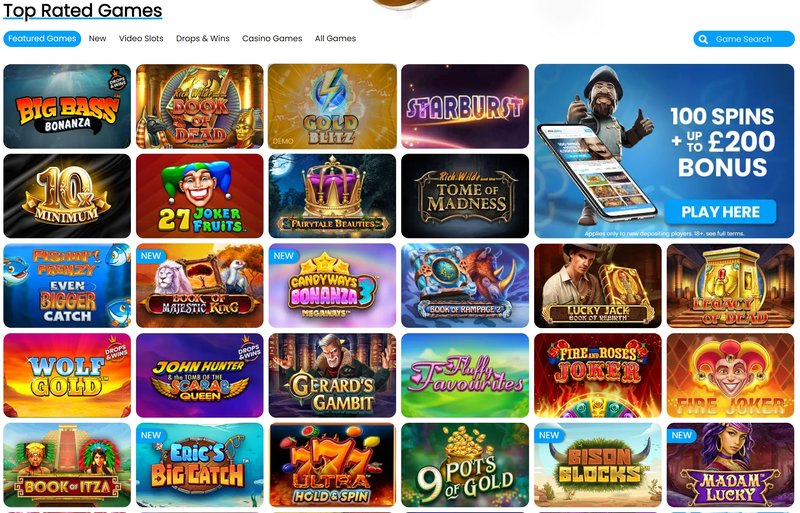
If you’re looking for a similar instant thrill, check out https://sevenspins.co.uk.

Seven casino uk, seven casino online

How are traditional venues adapting?

Movie theatres have rolled out mobile ticketing apps that allow patrons to skip queues and pay via contactless methods. Some venues now offer “in‑theatre” mobile games that unlock special offers if you scan a QR code at the concession stand. Theatres are testing interactive apps that let audiences vote on plot twists during live performances, creating a hybrid of theatre and mobile engagement.

What’s the impact on local economies?

Retail chains report a 12 % rise in footfall during peak mobile gaming hours. A chain of 200 cafés in London noted a 9 % lift in sales on days when a new mobile game was launched in the UK. Developers, on the other hand, are shifting budgets toward community‑building events rather than costly advertising campaigns. In 2023, 45 % of mobile game budgets were allocated to in‑app events that encourage social sharing.

How does mobile gaming affect the way people consume content?

Storytelling is no longer confined to a screen. Episodic mobile games release new chapters weekly, mirroring the structure of binge‑watching series. Players often discuss plot developments on Reddit or Discord, creating fan‑driven content that rivals traditional fan fiction communities. This cross‑platform dialogue blurs the line between game and narrative media.

When I was in a coffee shop waiting for my order, I noticed a group of friends gathered around a tablet, laughing over a new mobile puzzle game. Their conversation flowed from game strategy to planning the next weekend’s road trip. It struck me that mobile gaming is not just a pastime; it’s a social glue, bringing people together in cafés, parks, and even on public transport.

In this evolving landscape, the line between entertainment and daily life is dissolving. Mobile games are no longer the “back‑seat” activity of the past; they are now central to how we spend leisure time, how we socialize, and how we even shop. The next time you reach for your phone, consider that you might be stepping into a new cultural moment, one that’s reshaping the UK’s entertainment map, one swipe at a time.

What does the future hold for mobile gaming in the UK?

Tech trends point toward 5G‑enabled cloud gaming, where high‑end graphics run on remote servers and stream to low‑spec devices. Early adopters in London’s tech hubs are already testing titles that deliver console‑quality visuals on a phone. If 5G coverage expands to 90 % of the UK population by 2027, we could see a 25 % increase in premium mobile gaming subscriptions.

Meanwhile, regulators are tightening data privacy rules, which will force developers to be more transparent about in‑app purchases. This could reduce the micro‑transaction boom but might also lead to more fair pricing models, benefiting casual gamers who spend less than £10 a month on games.

Bottom line: mobile gaming is not just a trend; it’s a structural shift that’s reshaping how UK citizens entertain themselves, connect socially, and even spend money. The next decade will likely see even deeper integration of mobile experiences into everyday life, making the smartphone the new hub of cultural consumption.

Frequently Asked Questions

Why is mobile gaming becoming a major entertainment force in the UK?

Mobile gaming offers instant, on-the-go access to diverse content, making it a convenient alternative to traditional venues like cinemas and theatres.

How much revenue does mobile gaming generate in the UK?

In 2023, mobile gaming revenue in the UK reached £3.2 billion, up 15% from the previous year.