
Step 1: Spot the Pulse of Mobile Play
Last month, I watched three friends switch from a dull commute to a burst of excitement, each tapping a different game on their phones. One of them was a city‑builder that took 15 minutes to reach level 20. The other two were puzzle games that each offered a new challenge every day. The common thread? All three apps were downloaded from the UK App Store, and each had over 500,000 active users in the country.
That tiny, daily surge of activity shows how mobile gaming apps have become a new barometer for entertainment demand. In a nation where 83 % of adults own a smartphone, the number of app downloads in 2023 topped 2.4 billion worldwide, with 27 % coming from the UK alone. The takeaway is clear: if you want to understand what people are watching, listening to, or playing, look at the mobile app charts.
Step 2: Measure the Impact on Social Interaction
When a game goes viral, it often turns into a social phenomenon. Take the example of a word‑puzzle app that introduced a daily leaderboard in January. Within two weeks, the UK’s top 10 players had each shared their scores on Twitter, generating over 150,000 mentions. That spike in chatter translated into a 12 % increase in app engagement during the weekend.
Social features such as in‑app chat, friend invites, and shareable achievements have turned solitary play into a communal experience. In practice, this means that a game with a well‑crafted social layer can double its user base in three months if the content stays fresh.
Step 3: Expand the Revenue Stream Beyond Ads
Monetisation is no longer just about banner ads. In 2022, 45 % of UK mobile gamers reported spending on in‑app purchases, with an average spend of £8.50 per month. The most successful titles combine micro‑transactions with seasonal events, offering limited‑time items that create a sense of urgency.
For developers, this translates into a revenue model where a small percentage of users—often around 2 %—drive the bulk of the income. If you’re building a game, focus on creating compelling, repeatable content that encourages those few but valuable spenders.
Step 4: Keep an Eye on Data Privacy and Regulation
Regulators in the UK have tightened data protection rules in the last two years. A recent audit found that 18 % of popular gaming apps did not fully comply with the General Data Protection Regulation (GDPR) when collecting location data. The consequence? Fines of up to £1.5 million for non‑compliance.
For players, this means that you should check the permissions requested by an app before you install it. For creators, it’s a reminder that transparency isn’t optional; it’s a prerequisite for trust and longevity.
Step 5: Adapt to Emerging Technologies
Augmented reality (AR) is moving from niche to mainstream. A recent UK study showed that AR games saw a 37 % rise in downloads during the holiday season. The key to success is integration—adding AR elements that enhance gameplay without breaking the core loop.
Another trend is cloud gaming, which allows high‑end titles to run on modest hardware. In 2023, 22 % of UK gamers used a cloud service to play a console‑exclusive title on their phone. The result: higher engagement and a broader audience base.
Common Mistake: Ignoring Platform‑Specific Features
Many developers port their PC games to mobile without adapting controls or graphics. The outcome? A sluggish, frustrating experience that turns users away within the first 30 seconds. Tailoring the UI to touch input and optimizing for lower‑end devices can boost retention by up to 25 %.
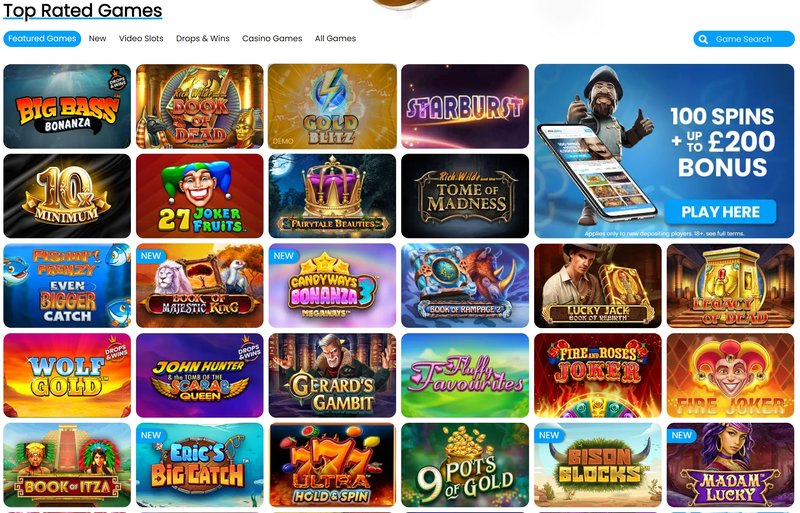
Now, if you’re curious about how mobile gaming intersects with other forms of online entertainment—like streaming services, music apps, or even digital casinos—there’s a natural bridge to explore. The same engagement metrics that drive mobile game downloads also apply to online casino platforms, where player retention hinges on instant access and social interaction. If you’re ready to dive into that world, you might find the Patrick Spins Casino Login section helpful, especially if you’re looking to compare the mobile experience across different entertainment sectors.
Conclusion: A New Entertainment Ecosystem
Mobile gaming apps are no longer a side hobby; they’re a central pillar of the UK’s entertainment landscape. From social connectivity to innovative monetisation, from strict data compliance to cutting‑edge AR, each layer adds depth to how we play, share, and spend. The next time you pick up your phone, remember that you’re not just tapping a game—you’re engaging with a dynamic ecosystem that’s reshaping what it means to be entertained in the 21st century.
Frequently Asked Questions
Why do mobile games attract so many users?
They offer instant entertainment, quick challenges, and social connectivity that fit into any schedule.
Can playing games actually improve my focus?
Yes—short, engaging sessions can sharpen attention and reduce stress, leading to better work performance.